
85+ YEARS OF FAMILY FOOD ROOTS
Entrees Unlimited has been feeding the South Bay Area for nearly nine decades! Our humble roots started with a produce stand on Monterey Highway in 1938. Today, Entrees Unlimited is one of Silicon Valley’s top leaders in Corporate Catering.
However, we remain a family-owned and operated business. That’s why we treat every meal we make like we’re serving it to our friends and loved ones – remembering always… to provide “Quality without Compromise”.
CULINARY EXCELLENCE
For over 80 years, The Carlino family has been servicing Silicon Valley with quality food.
La Bruschetta Platter
Diced Roma Tomatoes, Diced Onion, Fresh Basil, Fresh Garlic, Lemon, and Extra Virgin Olive Oil
Jumbo Cocktail Prawns
White Jumbo Prawns with Spicy Cocktail Sauce
Hot Artichoke Dip
Imported Artichoke Quarters Blended in a Creamy Dip with Cubed Artisan Bread
Balsamic Steak Picks
Skirt Steak in Balsamic Reduction. Topped with Bell Pepper and Served on a Pick
Mini Mac n Cheese Fritters
Cheddar Cheese and Macaroni Breaded in a Crispy Batter for a Poppable Delight
Full menus, pricing, and recurring meal plans shared after a quick consultation.


A Selection of Breakfast Pastries (Bagels, Danish, Scones, Breads, Croissants, Filled Croissants, Biscotti, Muffins, Bearclaws).
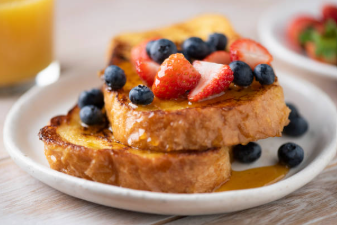
Slices of French Toast with Syrup, Strawberry Topping & Whipped Cream. Served with Thick Cut Bacon, Breakfast Sausage, Fluffy Scrambled Eggs & Sliced Melon.
A Breakfast Scramble with Ham, Bell Peppers, Onions, Scrambled Eggs and Red Potatoes. Served with Assorted Pastries & Sliced Melon.
Made to Order inside Fresh Flour Tortillas with Scrambled Eggs, Breakfast Potato & Cheddar Cheese. Served with Sliced Melon.
Full menus, pricing, and recurring meal plans shared after a quick consultation.



Boneless Breast of Chicken Pounded and Pan Seared. Topped with a White Wine Veloute Sauce and Imported Artichoke Quarters.
Sliced Flank Steak, Braised and Topped with our Famous Whiskey Peppercorn Sauce with Sliced Mushrooms.
Fresh Salmon Filet Pan-Seared with Garlic, Butter and a Splash of White Wine. Served with Red Roasted Potatoes.
Traditional Kung Pao Chicken from Our Kitchen to Your Table. Served with Steamed Rice.
Sliced Marinated & Grilled Chicken Breast or Steak, Sautéed with Fresh Sweet Onions, Sliced Red & Green Bell Peppers, and Roma Tomatoes.
Full menus, pricing, and recurring meal plans shared after a quick consultation.


Grilled Garden Burger Stacked with Sliced Portabella and Grilled Zucchini then topped with Melted Provolone.
Thai Red Curry Vegetables with Tofu in a Coconut Cream Sauce, Served with Basmati Rice, Sesame Bread and Rice Noodle Salad.
Enchiladas Filled with Black Beans, Corn and Cheese then Topped with a Verde Enchilada Sauce.
Jumbo Cheese Filled Raviolis Topped with our Homemade Marinara Sauce. Served with Rustic Bread, and Italian Romaine Salad.
Portabella Stuffed with Diced Vegetables and Bread Crumbs and Topped with Cheese and then Baked.
Full menus, pricing, and recurring meal plans shared after a quick consultation.


Classic bone-in chicken cuts, grilled over an open flame with our signature BBQ sauce.
A juicy, thick-cut Angus beef patty grilled to perfection and served on a fresh bun.
Slow-roasted lean pork simmered in Sam’s Bar-B-Que Sauce on a seeded bun.
Savory slow-cooked pork ribs paired with your choice of grilled Italian Sausage, Polish, or Bratwurst.
Full menus, pricing, and recurring meal plans shared after a quick consultation.


Caramel, Cheddar, Almond Crunch, Kettle Popcorn along with Butter Toffee, Chocolate, and Yogurt Pretzels.
Classic, creamy homemade salads perfect for pairing with any of our hearty entrees.
Sweet and tender corn on the cob served warm with salt, pepper, and butter.
A crunchy, sweet, and savory assortment of mixed nuts and classic trail mix.
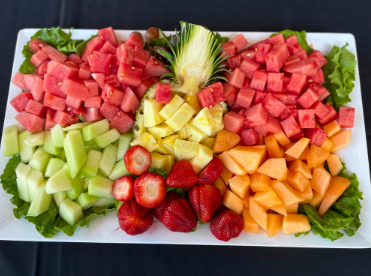
Generous slices of fresh watermelon, cantaloupe, and sweet pineapple.
Full menus, pricing, and recurring meal plans shared after a quick consultation.



Chocolate Chip, Snickerdoodle, Peanut Butter & Oatmeal Raisin baked fresh in our kitchen.
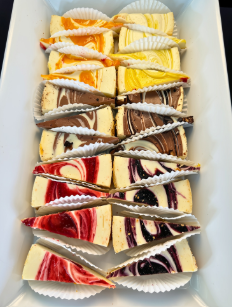
An Assortment of Handmade All-Natural Cheesecake Poppers from Charlie's Cheesecake Works.
Brownies Topped with Chunks of Fudge and Pecan. Drizzled with Gooey Caramel.
A Flaky Crust Filled with Custard and Topped with Sliced Kiwi, Strawberry, Mandarin Orange, Peach and Blueberry.
Quality Vanilla Ice Cream Served with Toppings Galore: Chocolate Sauce, Caramel Sauce, Crumbled Oreo, Peanuts, and more.
Full menus, pricing, and recurring meal plans shared after a quick consultation.


Entrées Unlimited has been providing exceptional corporate and social catering services since 1982. We proudly serve San Jose and Silicon Valley with chef-prepared meals and outstanding service for business events, weddings, private gatherings, and special occasions.
Salim Ali Khan
December 2025
We had them cater lunch for our office, and the cuisine was absolutely amazing. Everything arrived fresh, well-prepared, and perfectly suited for a build-your-own taco setup.
Lourdes
November 2025
We have used Entrees Unlimited for two events including a baby shower and our daughter’s College graduation party. We were incredibly impressed and beyond satisfied with the service. They are amazing with communication and are very professional. Most importantly the food is amazing!!
Jennifer Nunes
May 2026
We had a fantastic experience with Entrees Unlimited catering our recent fundraising auction! The team was prompt, helpful, and genuinely friendly throughout the entire event.
MN.
December 2025
We had a short timeline for a celebration of life and Tony was so genuine and helpful. He was super responsive, as was everyone else we worked with through the process. The team made it easy in the midst of our own chaos and worked with us to incorporate some of our own help with the larger plan.
CULINARY EXCELLENCE
We’d love to support you for your next corporate event or social gathering. For more information, please submit this contact form. You may also call us at (408) 280-0910 or text us at (408) 202-4720
CALL US
TEXT US
FAQ
Nope! We cater any and all meals — breakfast, coffee bars, brunch, lunch, happy hours, dinners…..you name it, we can do it.
Our general business hours are 730am-530pm; however, we do make early morning deliveries (530am) and have done overnight events as well.
*early morning and late night services are subject to a premium charge.
We serve breakfast as early as you want it! Please keep in mind that early morning deliveries may be subject to an additional cost.
Yes! We cater all kinds of events, including but not limited to corporate events, celebrations of life, and weddings. Contact us for more details.
Inquire To Place An Order Now:
(408) 280-0910
Copyright © 2026 Entrees Unlimited. All rights reserved.
menu, meal, catering, fee, party, silicon valley, drink, chef, services, service, salad, birthday, catering service company, corporate lunch catering, office lunch catering, office catering near me, corporate food delivery, catering companies near me, best catering near me, office lunch catering near me, corporate catering near me, corporate catering, catering company, catering business, we cater, full service catering services
corporate catering san jose, san jose catering, entrees unlimited, office catering san jose, catering san jose, ez cater